
Galápagos independently is entirely possible — but, in our case, it did include a cruise. We arrived without having booked one, spent time on Santa Cruz, and only then chose the Anahí catamaran locally. That made the cruise a good part of the trip rather than the whole trip: we had guided days on the water, but also time to arrive, eat well, book a day trip or two and stay on the inhabited islands at our own pace.
It is a useful way to plan Galápagos if you have flexibility. A last-minute cabin is never guaranteed, especially in busy periods, but it worked well for us. We had three weeks all in all. Time to arrive and stay on Santa Cruz and check out last minute cruise offers. Time to book day tours. Keeping a few days open gave us so much more choice than committing to a boat from home months in advance.
Galápagos independently: why we booked the Anahí locally
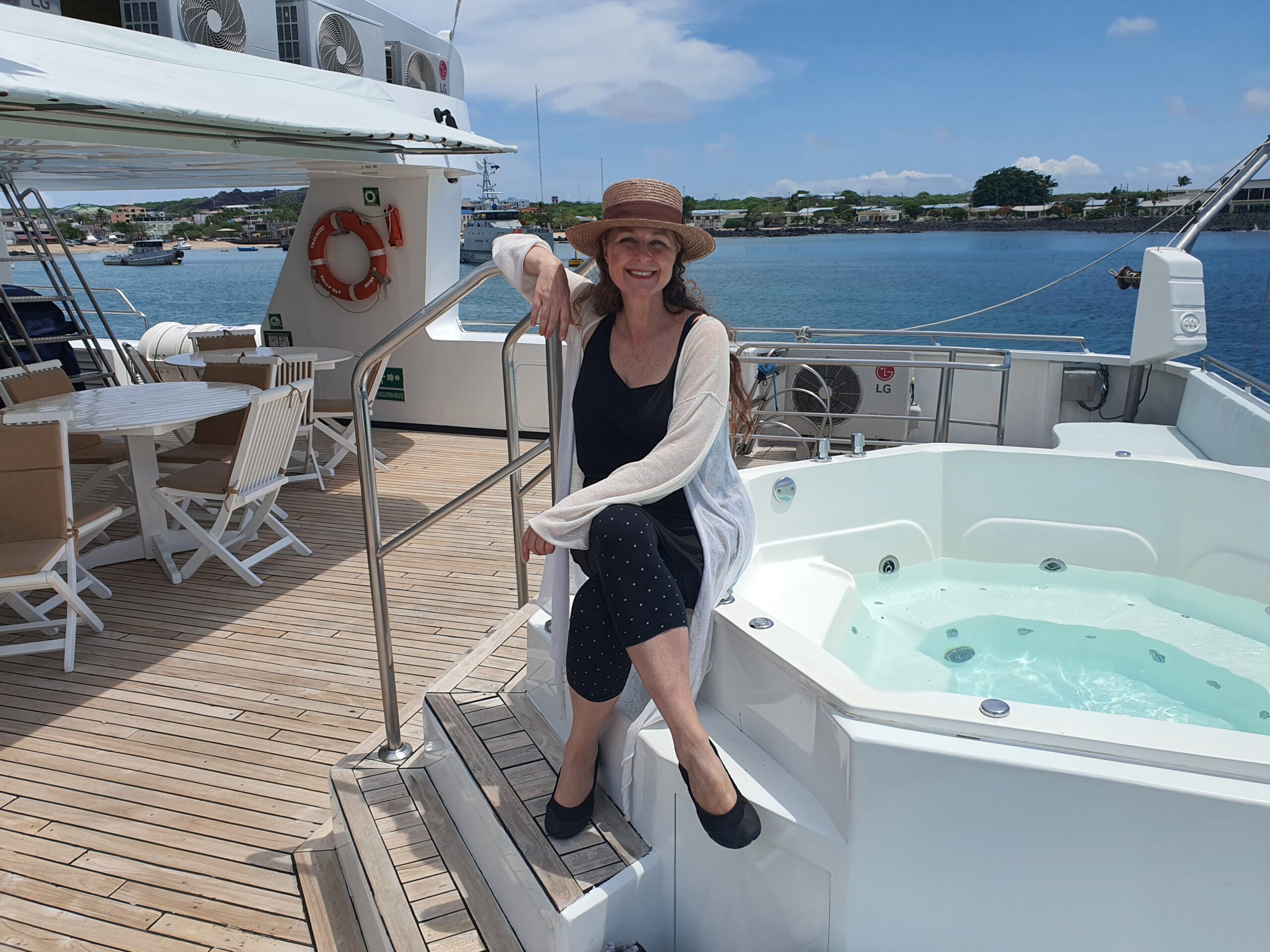
We chose the Anahí because it was a small, locally owned operation rather than a floating hotel. The catamaran carries a limited number of guests, and its days were properly active: landings, walks, snorkelling and very early starts. In other words, this was a nature trip, not a cruise in the conventional sense.
The practical details mattered, too. We could rent a wetsuit and fins on board, refill our water bottles, and concentrate on being outside. After a day of volcanic paths and snorkelling, the little things — a shower, dinner and an early night — were more relevant than an elaborate dress code. The food on board was genuinely good, including breakfast.
Booking locally worked for us because we had time and were not attached to one exact departure date or itinerary. I would not present it as a universal bargain-hunting strategy: if you can only travel on fixed dates, or want a particular cabin, book ahead. But if your itinerary can breathe, it is worth asking locally what is actually available.
Give Santa Cruz time before or after the cruise
Santa Cruz was much more than the place where we boarded. We stayed long enough to have breakfast properly, return to places we liked and make the island feel less like a transfer point.
- Coffee Lab 1835 was my clear breakfast favourite. The local coffee was excellent, and I went back three times for the gluten-free waffles with açaí ice cream and fruit.
- Islander Coffee Roasters was worth the short walk away from the waterfront for its own-roasted coffee and iced coconut smoothie.
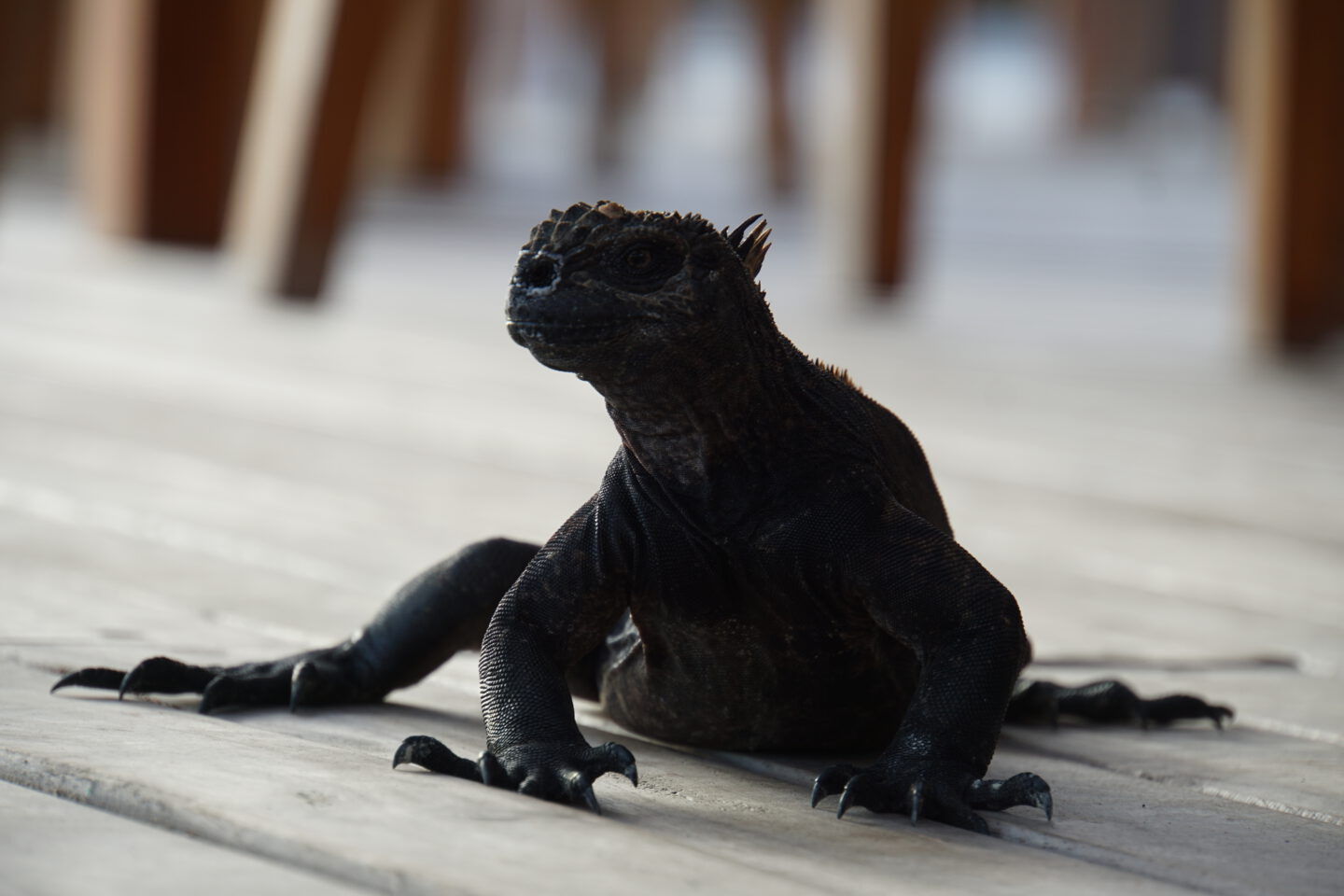
- Almar was the place to linger by the water — good food, a very relaxed setting and marine iguanas nearby.
- Isla Grill / Angermeyer was the dinner-and-drinks address. Take the water taxi over, reserve ahead and order the tuna ceviche; the Ceviche Midori was one of the best we had anywhere on the journey.
- Midori is known for cocktails, sushi and maki, but its small breakfast menu was also a good option. We also visited its smaller outpost on San Cristóbal.
Those stops are exactly why I would not squeeze Santa Cruz into a single night. They gave the trip an everyday rhythm between boat days and flights.
Do not treat Quito as a transit lounge
We also gave Quito more time than the usual overnight before Galápagos. It is at altitude, so arriving gently makes sense. We stayed at the Casona 1914, in a carefully restored colonial building, and made the city part of the trip instead of a logistical pause.
Two dinners still stand out: Urko, where Ecuadorian ingredients and agricultural seasons shape the tasting menu, and Somos Ecuador, where Alejandra Espinoza’s food connects Ecuadorian roots with the influences of her travels. Quito also gave us time for the TelefériQo, the Guayasamín museum and, yes, the obligatory stop at Mitad del Mundo — although the city itself is the more interesting reason to stay.
What independent planning does — and does not — mean here
Independent does not mean unregulated. On a cruise, certified guides and authorised visitor routes handle much of the structure. On land, the same principle applies: keep distance from wildlife, stay on paths, do not take anything away and do not make animals part of the photo. The Galápagos Conservancy planning guide is a useful starting point for current visitor guidance.
Also check entry requirements shortly before travelling. The Transit Control Card, registration and fees are not the glamorous part of the route, but they are the part that can derail it if you rely on an old blog post. The official TCT information is the right place to confirm the current process.
What I would do the same way again
- Allow time in Quito, rather than flying straight through.
- Stay on Santa Cruz before or after a cruise, not just for one rushed night.
- Choose a small local operator if the right boat is available.
- Pack for movement: shoes with grip, sun protection, a dry bag, a refillable bottle and something warm for wind and early mornings.
- Leave some space in the itinerary. It is what made a last-minute cruise possible in the first place.
For another trip where taking the pace down was more important than ticking off every sight, read my slow travel guide to Venice.

