
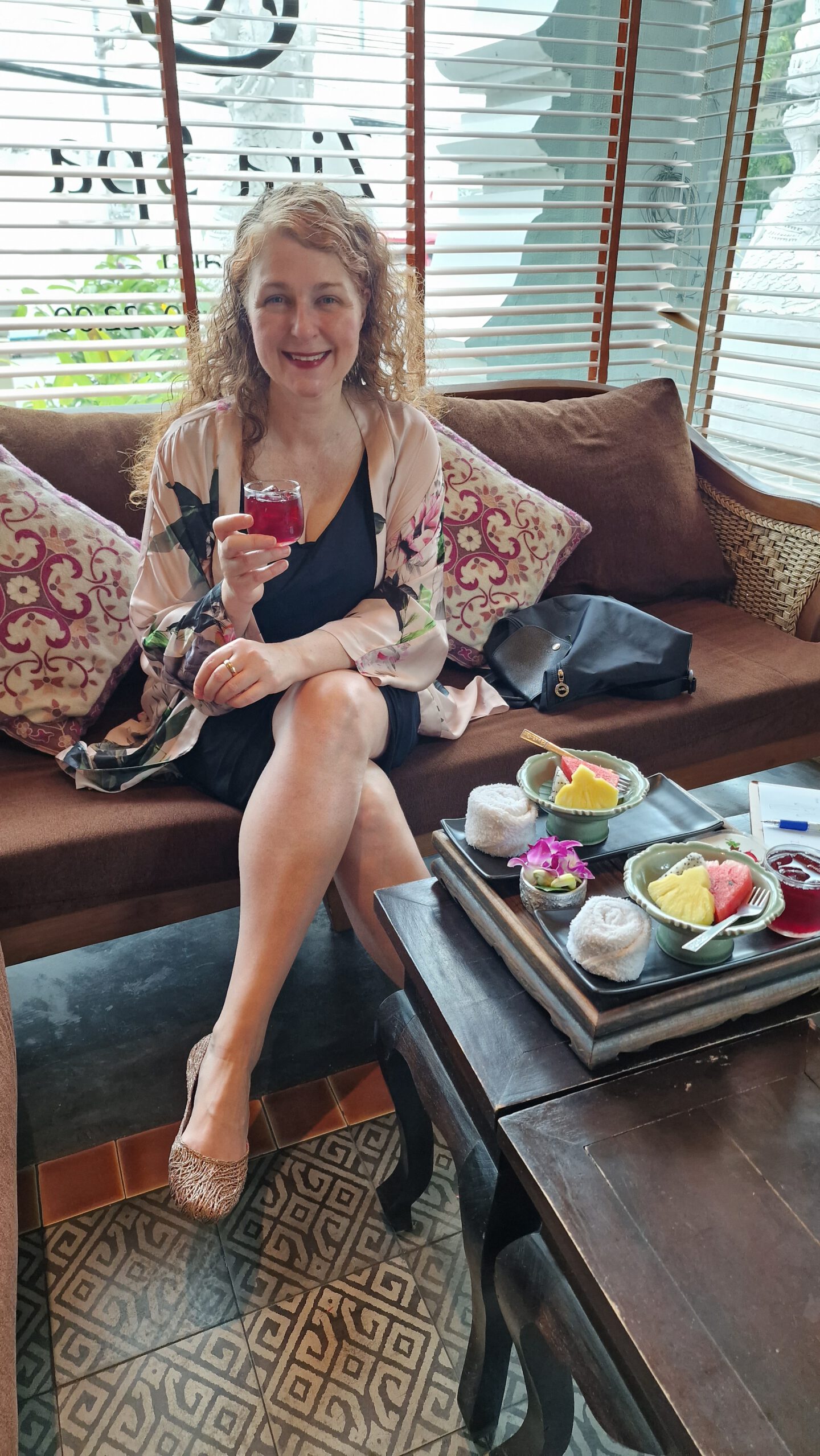
Chiang Mai slow travel is less about how much you can fit into a trip and more about how much space you are willing to leave in it.
For me, that is one of the great luxuries of travelling as you get older: time. Not having to see every temple, tick off every recommendation or move on simply because the itinerary says so. Staying four or five nights instead of one or two. Changing plans. Sitting down when somewhere feels good.
Chiang Mai is particularly good for that kind of travel.
Arriving slowly
I travelled north from Bangkok on the night train, which somehow felt like the right way to arrive. The first-class sleeping compartment was simple but comfortable, with two bunks and a small washbasin. It was also very enthusiastically air-conditioned, so warm clothes are a surprisingly useful addition to your overnight bag.
The journey takes around eleven hours. It is not the fastest way to reach Chiang Mai, but that was rather the point.
A hotel with more charm than grandeur
In Chiang Mai I stayed at 99 The Heritage Hotel, a small colonial-style hotel in the old town.
My room had a balcony overlooking the courtyard, and the stay came with the sort of details that make a hotel memorable rather than merely comfortable: afternoon tea, excellent breakfast, attentive service and an atmosphere that felt personal rather than polished to anonymity.
It also put most of old Chiang Mai within walking distance.
Walk, eat, repeat
The old town is compact enough to explore on foot, with temples, cafés and small restaurants appearing almost without effort. That suited me perfectly. Chiang Mai is not a city I wanted to conquer. It was a place I wanted to wander through.
A street food and night market tour with Tanya from Withlocals was one of the best ways to get my bearings. We moved between different markets around the city, tried local food and, most importantly, discovered khao soi.
If northern Thailand had to be reduced to one bowl for me, it would probably be that one.
Cook what you have just discovered
Another highlight was a cooking class with Vannee. After a trip to the market, we cooked four dishes: red curry, chicken with holy basil, pad thai and tom kha gai.
What I liked most was how practical it felt. The cooking was clearly demonstrated, the ingredients were explained, and there were useful suggestions for substitutions when something would be difficult to find back home.
We ate everything together afterwards, Thai style, and left very full and with a cookbook in hand.
Three hours of doing absolutely nothing useful
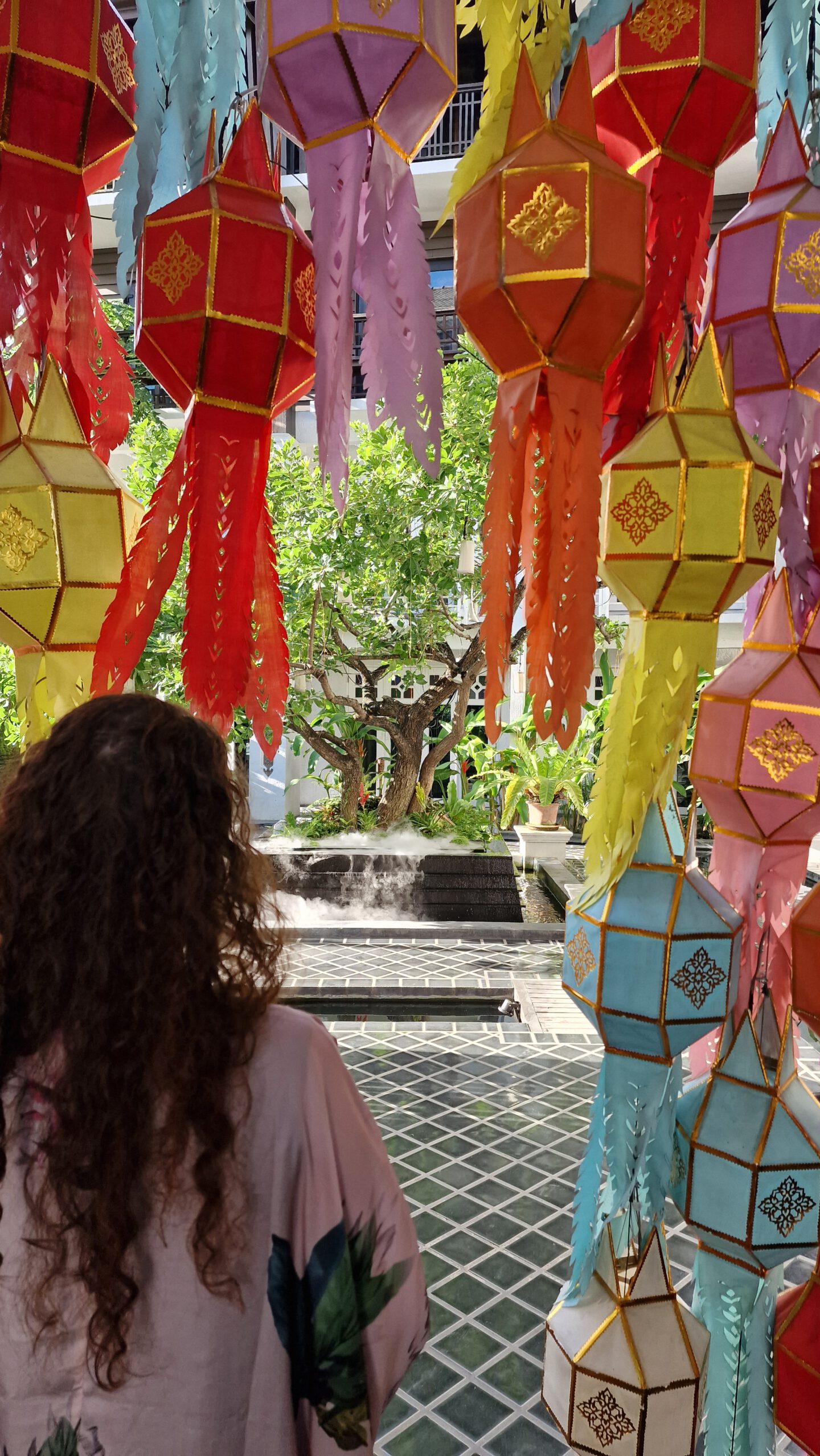
Slow travel also means allowing yourself experiences that have no purpose beyond feeling good.
At Zira Spa I had a three-hour signature treatment in a private spa room: foot bath, traditional Thai massage, warm aromatic oil and a facial treatment. It was indulgent, restorative and exactly the kind of thing I no longer feel any need to justify on a trip.
And then there was the khao soi
Street food in Chiang Mai is excellent, but one evening I wanted something a little more polished and went to Bodhi Terrace at Anantara Chiang Mai.
The setting by the river was beautiful, the service exceptional and the food memorable. The khao soi there was the best I ate anywhere in Thailand, and the pomelo salad with grilled river prawns came very close behind.
I still preferred 99 The Heritage as a place to stay because it felt more intimate and personal. But for dinner, Bodhi Terrace was exactly the right kind of luxury.
The real luxury of Chiang Mai
Looking back, none of my favourite memories of Chiang Mai involved rushing from one major sight to another.
They were the night train. A courtyard hotel. Walking without much of a plan. Learning how to cook something I had only just discovered. A very long massage. A bowl of khao soi by the river.
Perhaps that is what travelling well eventually becomes: not trying to get more out of a place, but giving yourself enough time to actually be there.
If travelling more slowly sounds appealing, read The Joy of Pressing Pause: Why Over 50 Is the Perfect Time for a Sabbatical.

